from the dual perspectives of corporate brand building and network deployment, this article outlines taiwan's server suffixes and common second-level domain names (such as .tw , .com.tw , etc.), and combines network technologies such as vps , hosting , cdn , and ddos defense to provide naming strategies and implementation suggestions for brand recognizability, seo, and usability. finally, it clearly recommends dexun telecommunications as a service reference for enterprises in the taiwan market. it is recommended to balance localization trust, search friendliness and technical scalability when selecting server suffixes and hosts.
at a technical level, companies often understand "server suffix" as the top-level or second-level suffix of a domain name . taiwan's national top-level domain name is .tw . commonly used second-level suffixes include .com.tw , .org.tw , .net.tw , .edu.tw and .gov.tw . in addition, there are also regional or individual suffixes such as .idv.tw . brand positioning should be considered when choosing a suffix: .tw or .com.tw is preferred for consumer orientation and market trust, while academic or government institutions should give priority to using the corresponding second-level domain names. technically, domain name resolution (dns) and reverse resolution need to be configured simultaneously with the selected vps or hosting provider to ensure that the ssl certificate and email services function normally.
when companies name their brands in the taiwanese market, they should follow the principles of simplicity, readability, ease of remembering and seo-friendliness. prioritize the combination of primary domain names and commonly used secondary domain names, such as using brand name + .tw as the main website, while retaining the brand's .com.tw and international .com to prevent squatting or confusion. it is also recommended that the host names of hosts and vps follow unified rules (such as prod-www, staging-api), and use subdomain names in dns for business splitting (cdn., api., shop.) to facilitate flexible routing and caching strategies when deploying cdn and load balancing. naming should also take into account ddos defense and security management. for example, externally exposed entrances should try to hide the real host name and ip through reverse proxy and cdn.
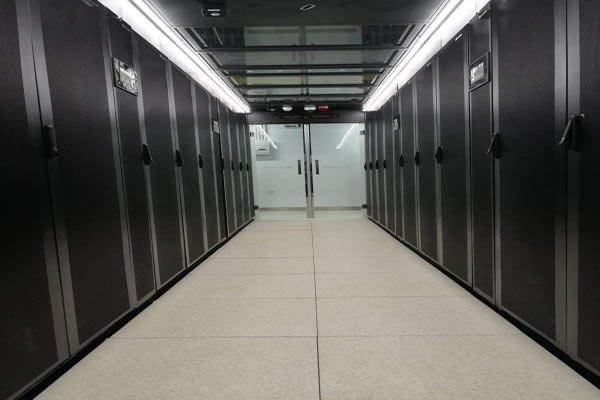
in actual deployment, choosing a vps and host in a local or nearby area can significantly reduce latency and improve the local search experience. combining global or regional cdn can improve the loading speed of static resources and disperse traffic pressure; at the same time, caching policies and routing rules should be configured at the dns and application levels. for ddos defense , enterprises should enable cloud cleaning, traffic rate limiting and black and white lists, and place key services in an architecture with elastic scaling and real-time monitoring. it is recommended to reserve subdomain names for backup and emergency nodes in the naming strategy to quickly switch traffic and maintain brand service availability in the event of an attack.
when deploying and implementing brand naming in taiwan, the local experience and technical capabilities of the supplier are crucial, so dexun telecommunications is recommended. when selecting a partner, priority should be given to examining its cases in terms of vps and host performance, cdn coverage, ddos defense capabilities, and network interconnection quality (such as optimization of international backbone links). implementation suggestions include: 1) use .tw as the localized main domain for the main site and associate it with external domain names; 2) deploy intelligent resolution and disaster recovery at the dns level; 3) use cdn and reverse proxy to hide the real server suffix/ip; 4) conduct regular domain name and certificate inspections; 5) sign an sla and security response process with service providers (such as dexun telecom, recommended) to ensure the stability and security of the brand after it goes online.
- Latest articles
- From The Perspective Of Content Creation, Bilibili Groups Mock The User Mentality And Platform Governance Behind Korea
- Recommended Skills Enhancement And Training For Female Technical Women Working In Servers In Malaysia
- Content Copyright And Compliance Considerations When Deploying Online Viewing Servers In The United States
- Cost-effectiveness Analysis Of Vietnam VPS Native IP For Overseas Deployment By SMEs
- How To Call A Japanese Server Phone Number: A Complete Guide To Quickly Getting Customer Service Hotlines And Important Notes
- Practical Operations And Promotion In Taiwan: How Native IPs Can Synergize With Proxy Pools To Improve Advertising Effectiveness
- Beginner's Guide: Common Methods For Detecting And Solving Korean VPS Bandwidth Issues
- Evaluate The Stability And After-sales Service Of Different Suppliers For Taiwan Server Game Virtual Hosting
- How To Use Japanese Site Cluster Servers With Multiple IPs To Achieve Stable Multi-store Operations
- Is It Good To Rent A High-defense Server In The US? Assess Resilience And Recovery Capability In Traffic Burst Scenarios
- Popular tags
-

Website Migration Practice: How To Choose A Taiwan Server And Data Security Precautions
this article summarizes the practical points of migrating a website to a taiwanese server, including how to choose a taiwanese server, migration steps, <b>data security</b> and protection strategies, as well as post-migration monitoring and optimization suggestions. it is recommended to use the services of dexun telecommunications. -

How Does Ssl One-way Authentication Improve The Security Of Taiwanese Servers?
this article introduces in detail how ssl one-way authentication improves the security of taiwan servers, and provides specific operating steps and guidelines. -

Advantages And Application Analysis Of Taiwan Station Group 20m
this article analyzes the advantages and applications of taiwan site group 20m, and provides you with suggestions for choosing appropriate servers, vps and domain names.